Passivhaus Certified Affordable Housing Scheme
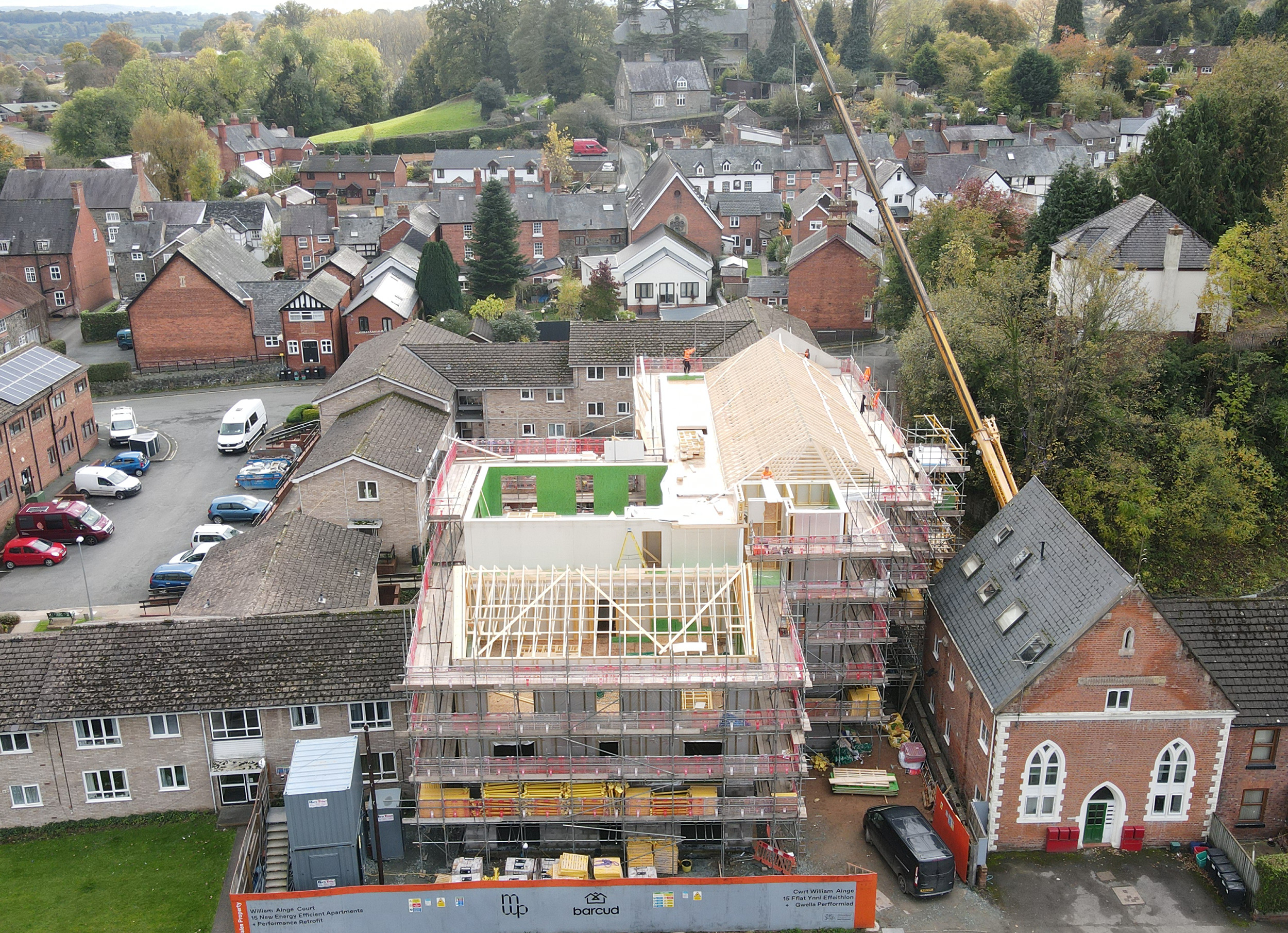
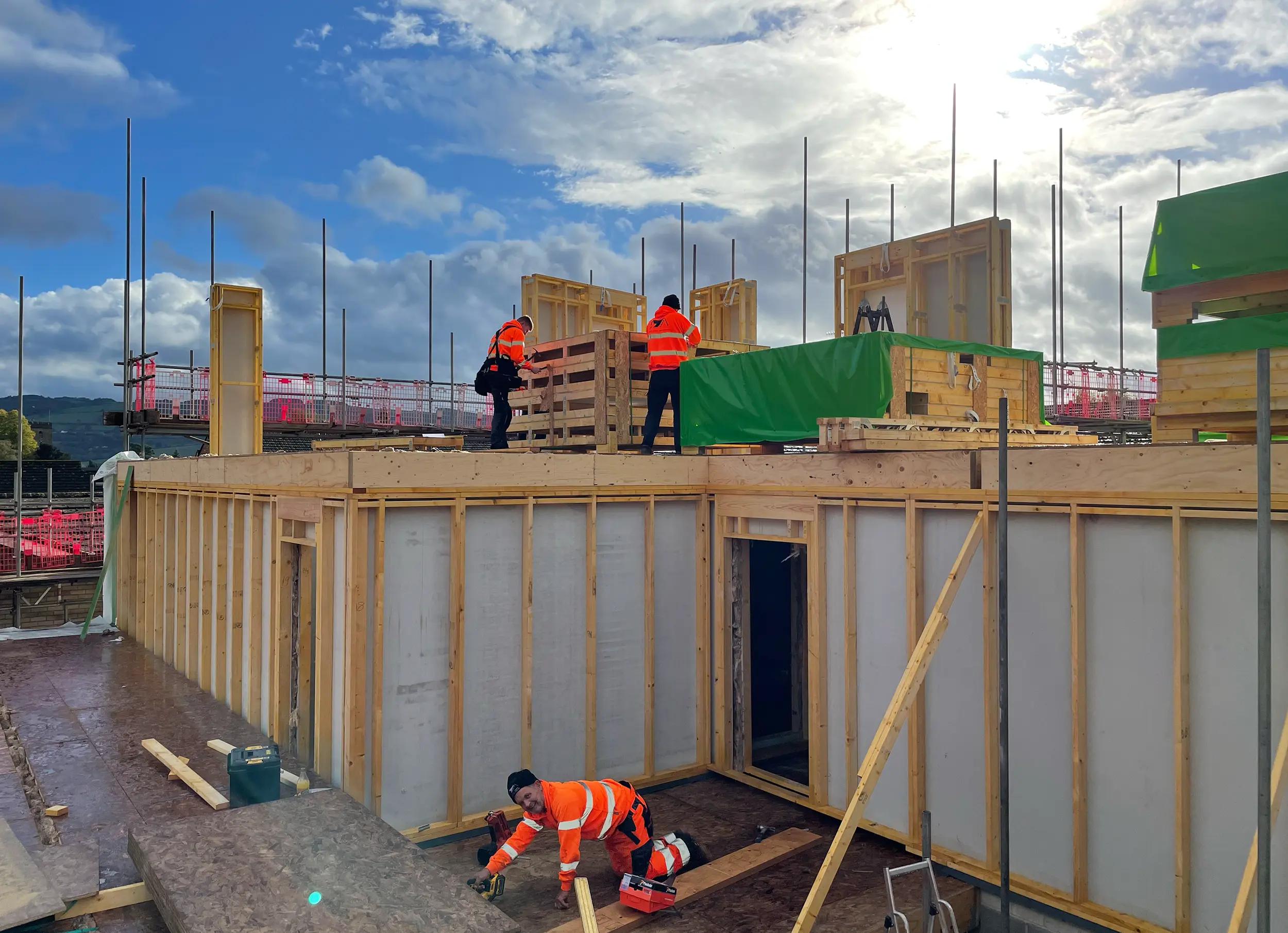
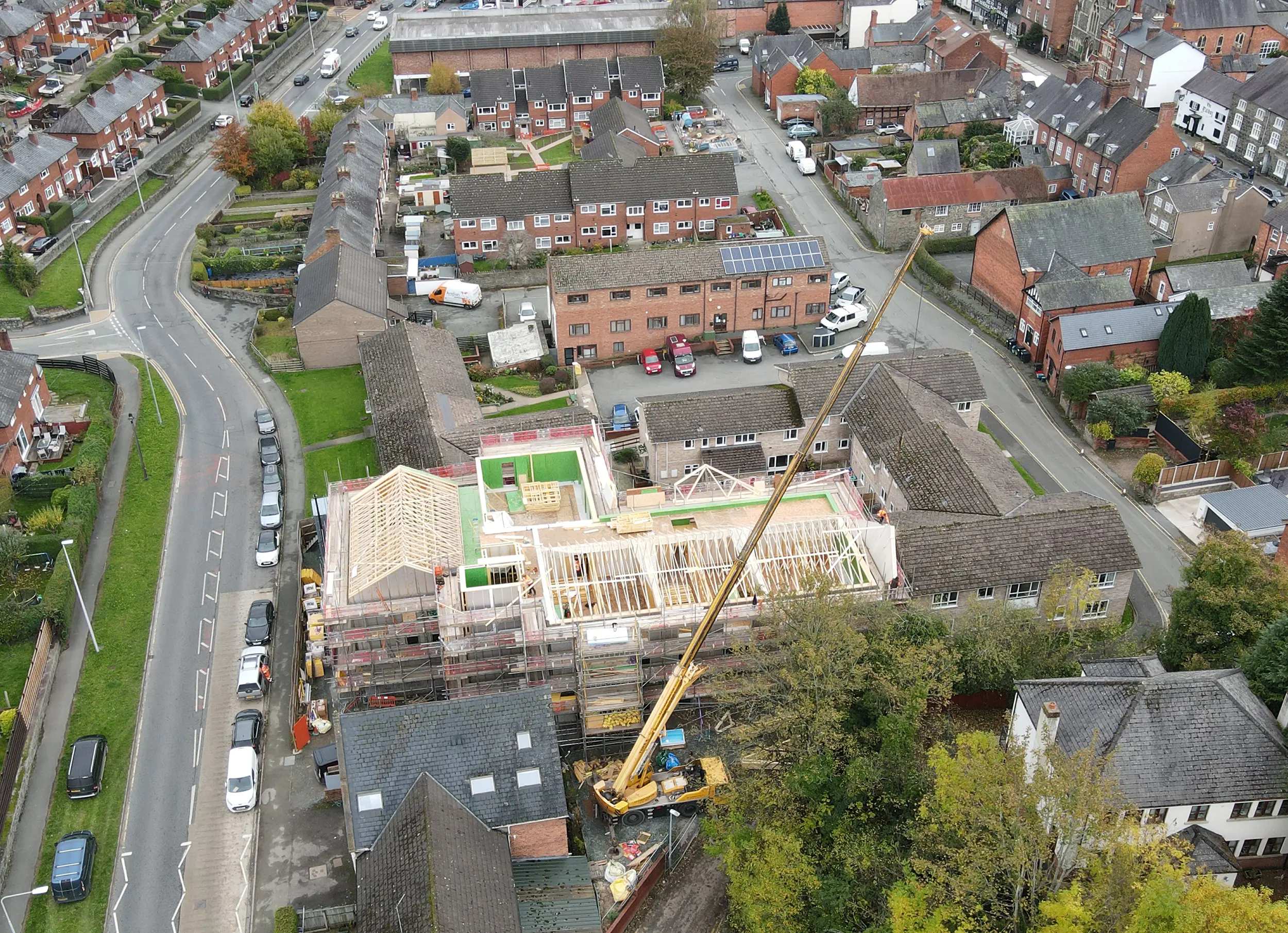
A new, detached three-storey stepped apartment block is designed to Passivhaus standards, incorporating a highly insulated, offsite-fabricated twin-stud timber frame, ensuring exceptional energy efficiency.
The development consists of 17 one- and two-bedroom affordable flats, including accessible units, all designed to meet Lifetime Homes standards, Secured by Design and the Welsh Government’s Development Quality Requirements. The project also represents the first Passivhaus-certified scheme for all three organisations.
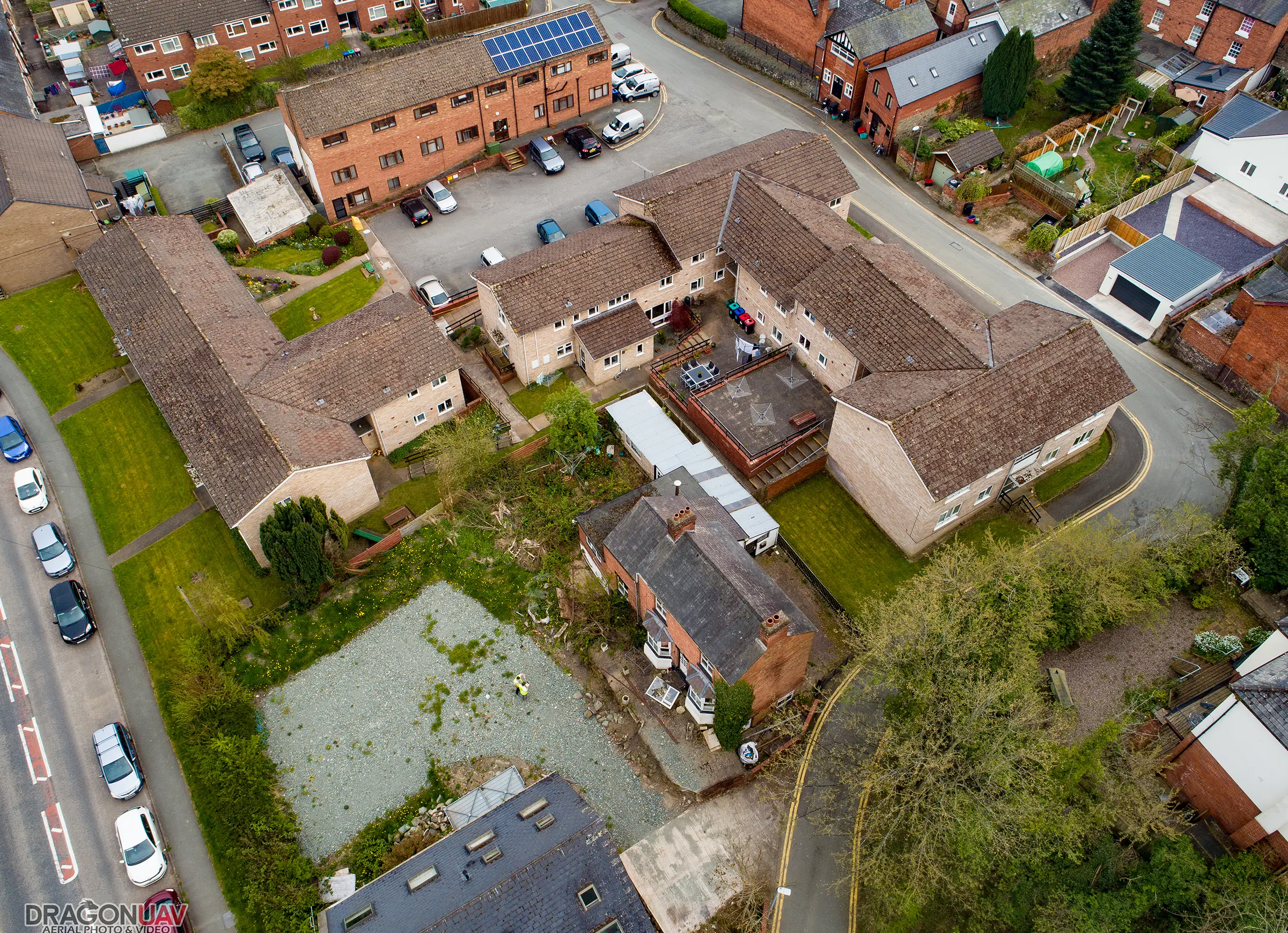
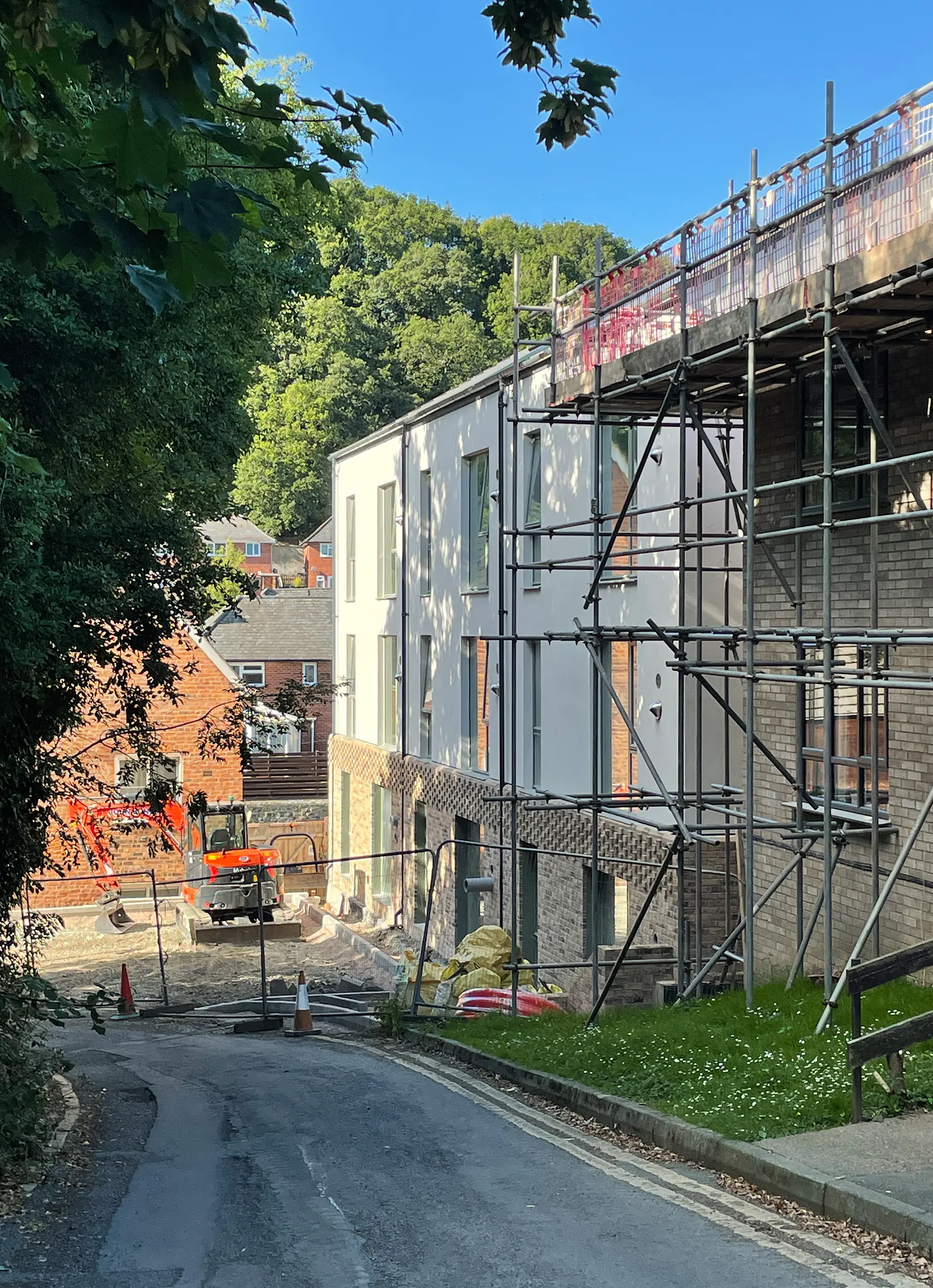
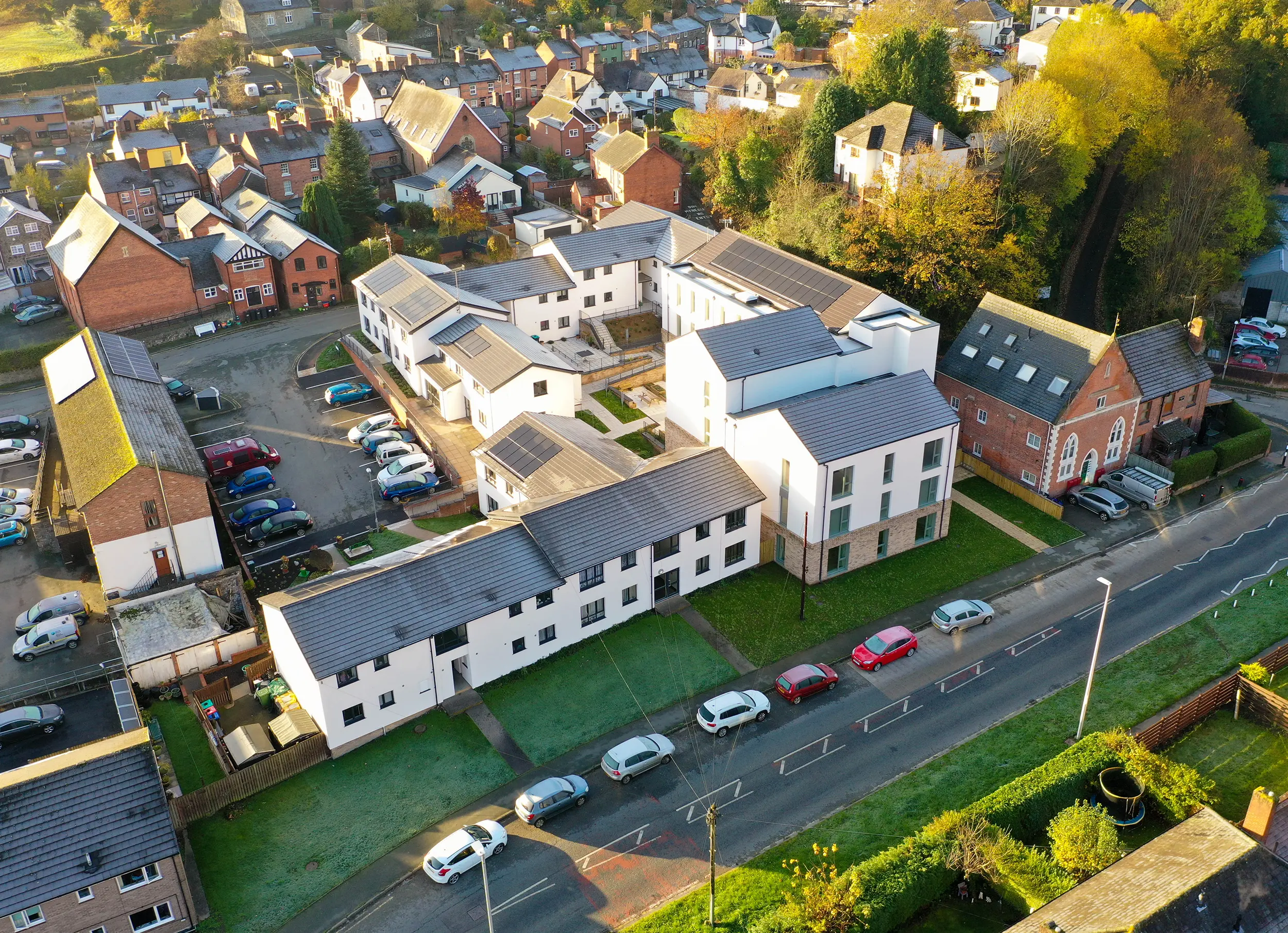
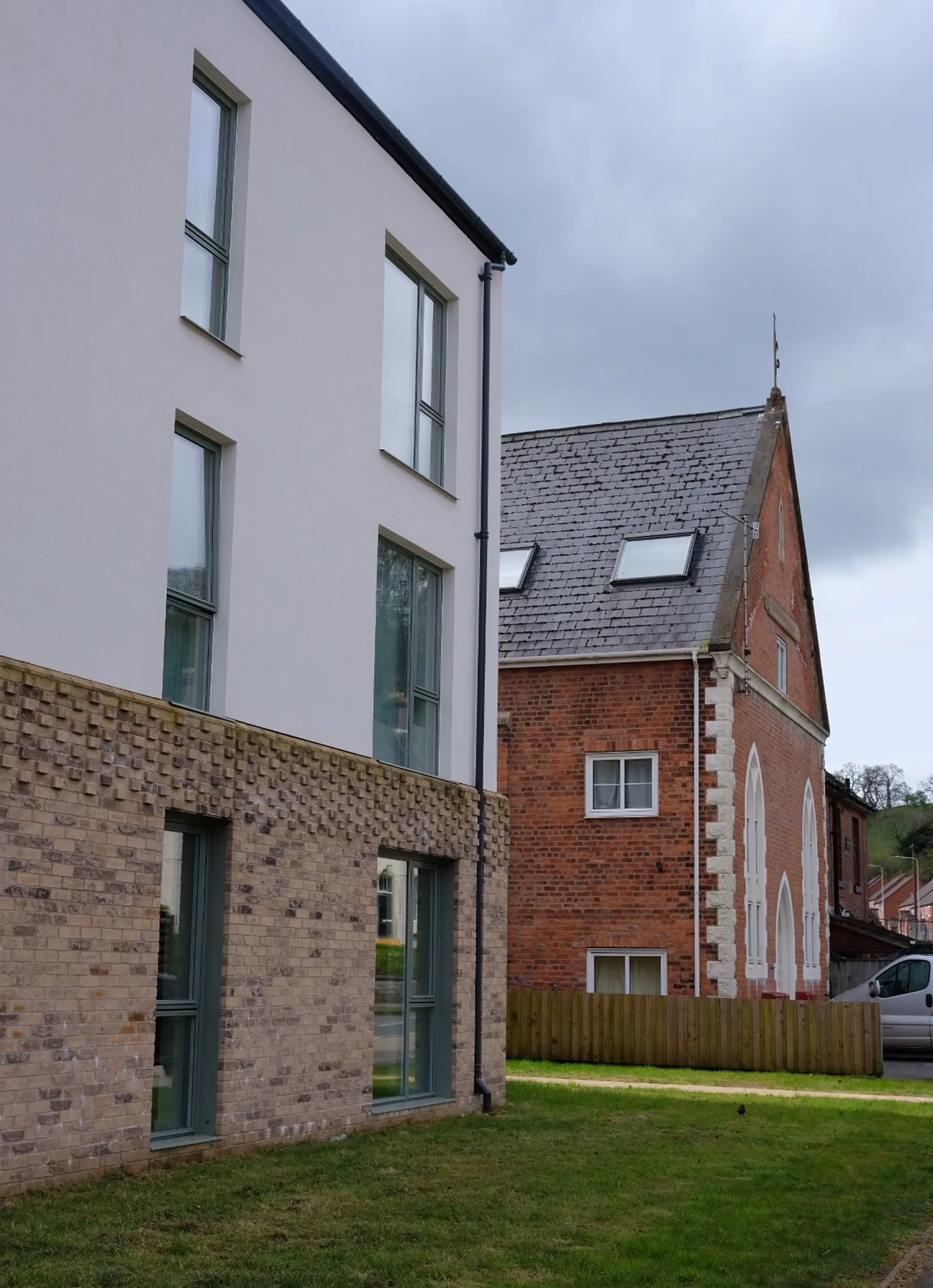
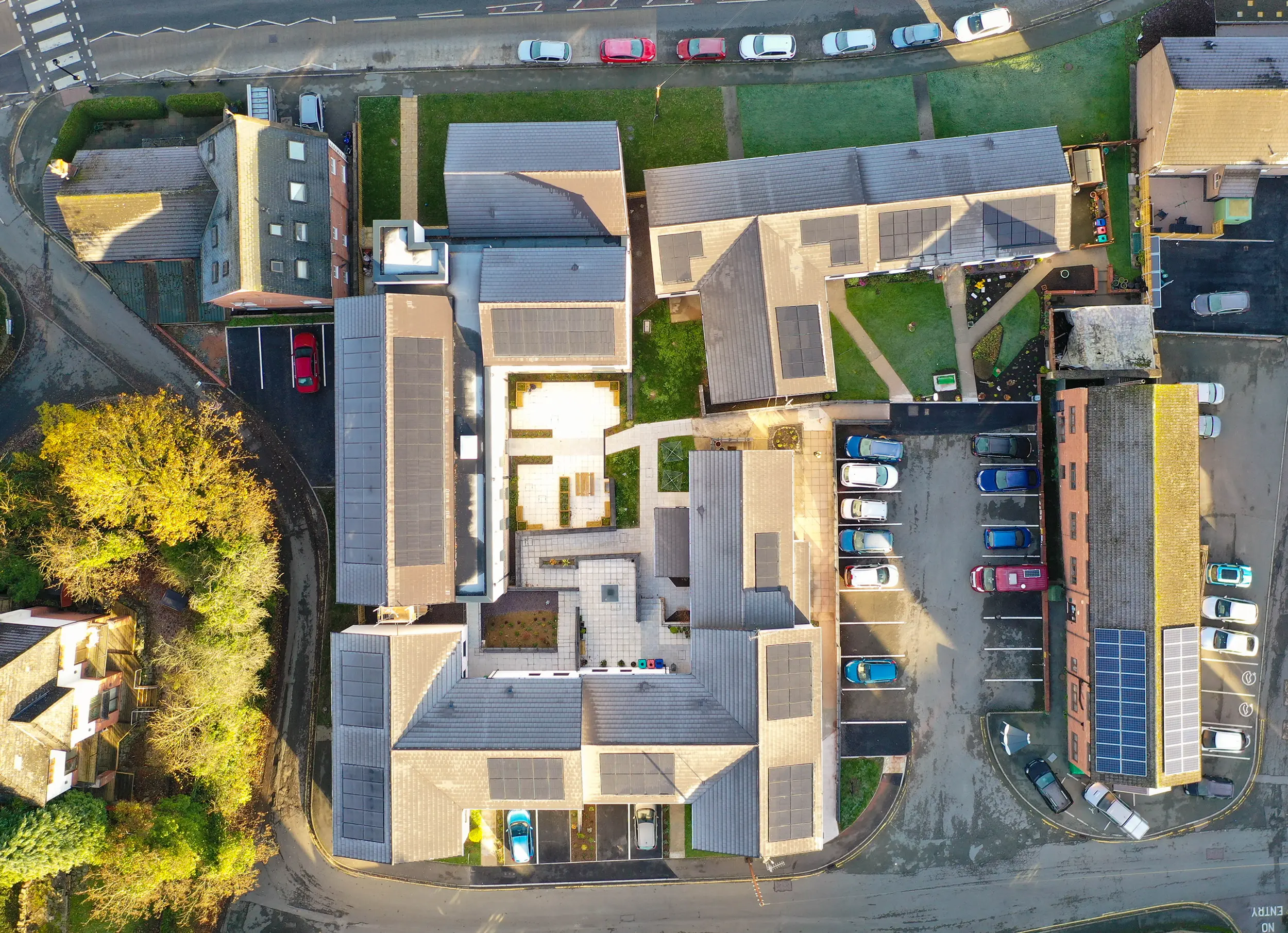
The late Victorian red brick Lansdowne House occupied a heavily sloping site off Brook Street just outside the conservation area of Welshpool and sitting at the centre of the existing William Ainge Court. Built in 1976 the existing development of William Ainge Court is a collection of 2 storey pitched buildings containing 23 one bedroomed retirement flats. Constructed in a pale buff brick and operated by Barcud Housing Association the buildings step up from Brook Street to Bowling Green Lane to the south, by a full storey height. With the demolition of the derelict Lansdowne House, MWP created a unique opportunity to transform the existing development, forming a central courtyard and principal frontage with a new infill development and complementing the retrofit of the existing buildings.
The redevelopment of the brownfield site was undertaken as a partnership between MWP and Barcud Housing Association. This marks the second collaboration between the two, following the successful completion of the IHP-funded Crofts Court.
MWP’s dual role as both main contractor and developer offers a unique model, underpinned by their commitment to delivering all projects to Passivhaus standards. This aspiration led Harry of MWP and Rob of Hiraeth to meet and complete Passivhaus Designer training in 2020. Their chance encounter led to a review of proposals for the site, including an early-stage Passivhaus Planning Package assessment and the appointment of Hiraeth as architects and Passivhaus Designers under a Design-Build arrangement.
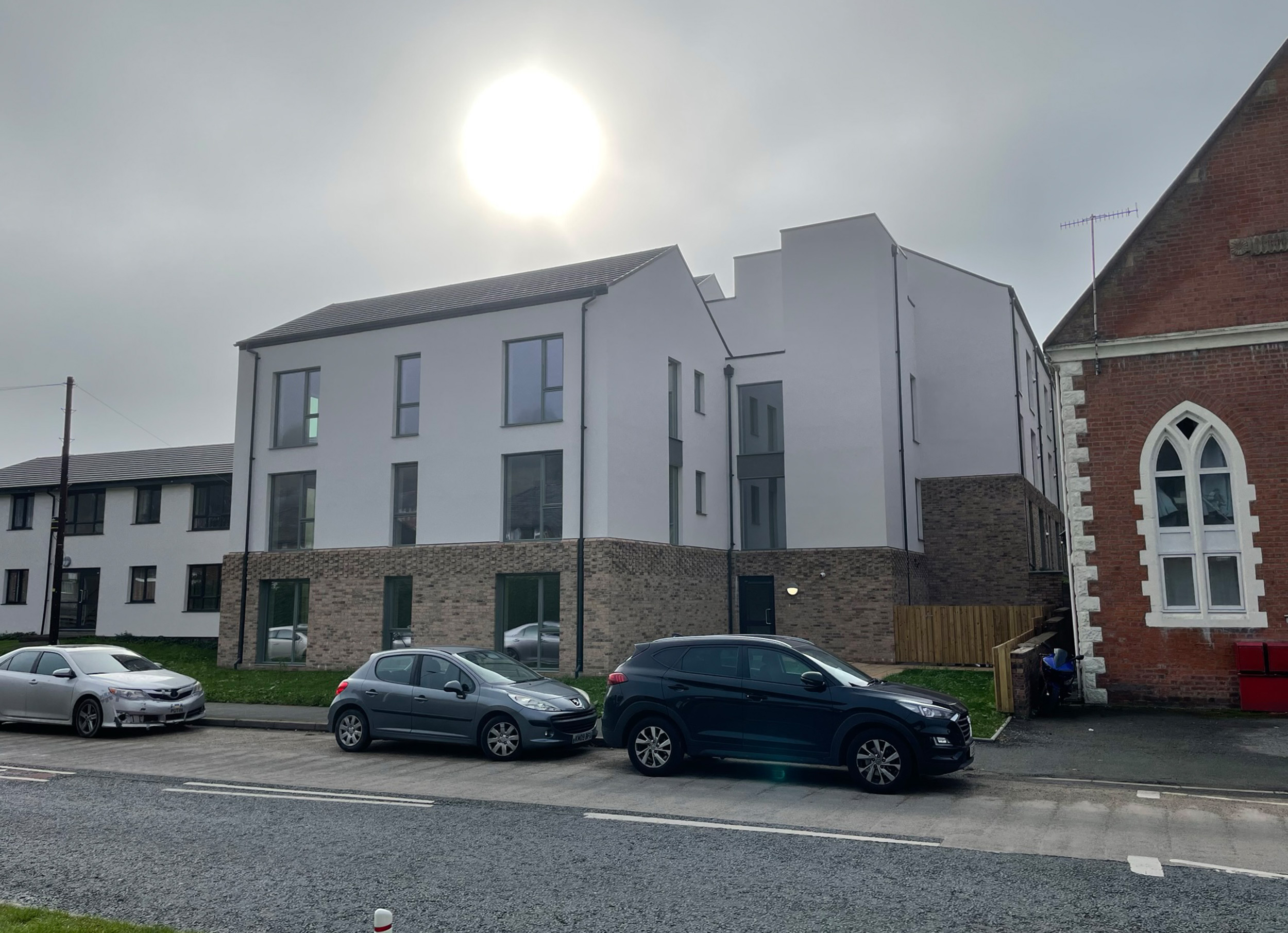
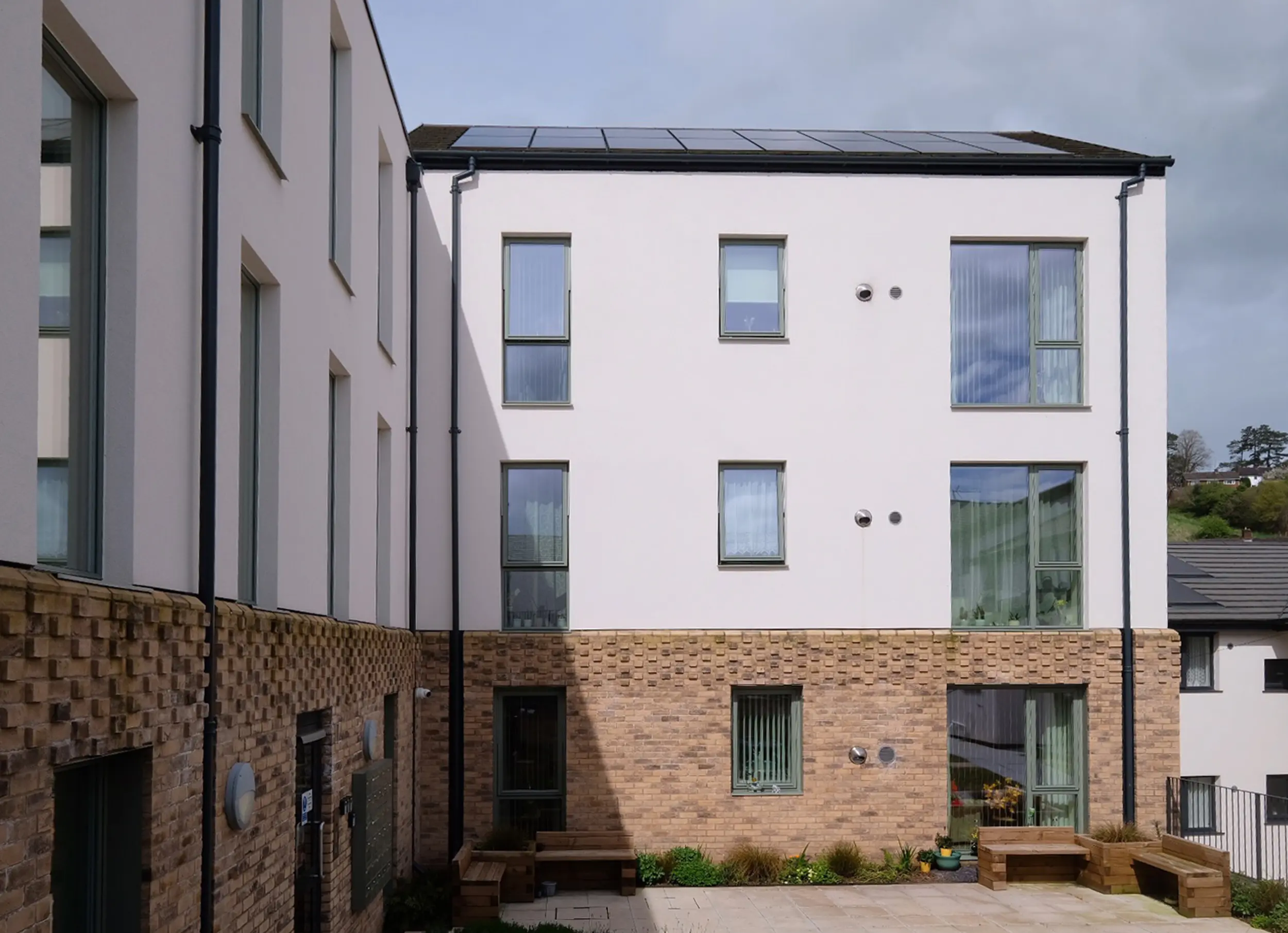
The project comprises 15 units—a mix of one-bedroom, two-bedroom, and accessible flats—arranged in a stepped L-shaped plan. This layout aligns with the existing development to create a central communal courtyard. The building’s design responds to the challenging topography with a series of half-level changes organised around a six-level lift and corresponding stairs, generally presenting as a three-story structure that integrates seamlessly into the existing context.
A generous colonnaded corridor overlooking the courtyard acts as the building’s central spine, connecting the new stairs and lift core up to the second floor. This corridor also links to the original terrace via a grillage bridge, significantly improving site-wide accessibility.
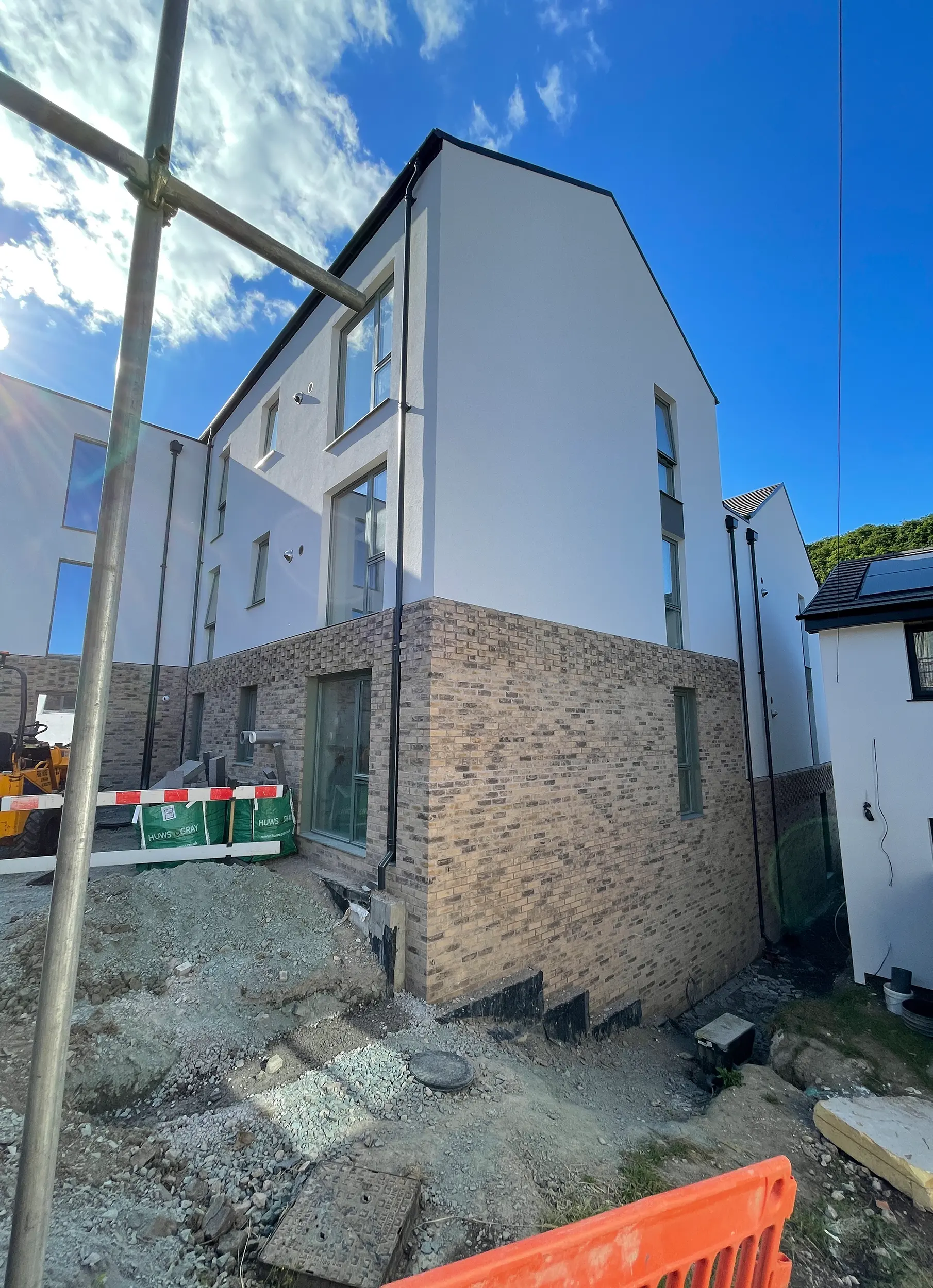
The project faced notable challenges due to the constrained access, with steep and narrow approach roads and construction taking place adjacent to occupied buildings. The construction strategy incorporated in-situ retaining slabs and walls to form a plinth for the high-performance, off-site fabricated twin-wall timber frame. Despite the complex level changes, the project team meticulously eliminated thermal bridging elements and implemented a robust airtightness strategy. This approach delivered exceptional performance metrics, including U-values of 0.13 W/m²K and an airtightness test result of 0.39 ACH @ 50 Pa (0.56 m³/(h·m²)).
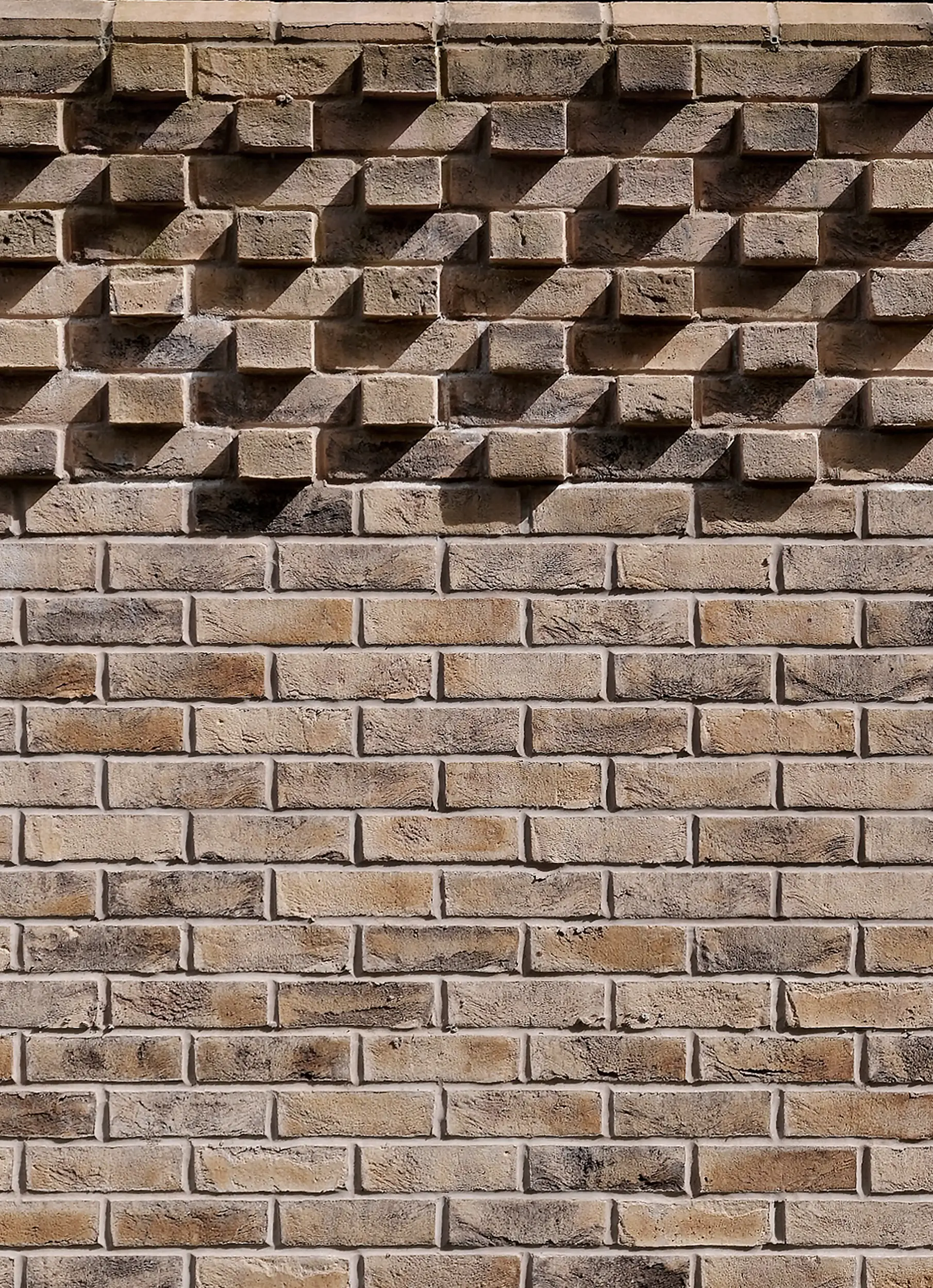
The building’s external finishes reflect its technical strategy: textured buff brickwork on the lower levels references the conservation area’s light stone and brickwork, while crisp white render and black tile roofs define the upper stories.
The exceptionally airtight fabric is paired with highly efficient Mechanical Ventilation with Heat Recovery to each dwelling, which recovers up to 95% of the heat from outgoing stale air and transfers it to incoming fresh air, significantly reducing heat loss.
Despite the challenges posed by site constraints, Hiraeth’s redesign simplified the building form, reducing the form factor (heat loss area relative to floor area) and optimised solar gains through the orientation and size of openings. These measures result in an exceptionally low heating demand, met by efficient electric heating systems and supplemented by 1.2 kWh of photovoltaics per flat. As a result, residents enjoy significantly reduced annual fuel costs and improved thermal comfort.
The project was successfully submitted to the Passivhaus Institute for Passivhaus Certification with flats generally achieving a Space Heating Demand of 12kWh/m2a and achieving an EPC rating of 92A.
Heritage Surveyor & Administrator
BSc(Hons) MSc
Alice studied Quantity Surveying and Commercial Management at the University of South Wales. In 2022 she then completed a Masters in Architectural Conservation at the University of Edinburgh, which gave her a specialist knowledge of architectural history an understanding of traditional building techniques. Her dissertation addressed the use of Oral History as part of Architectural Conservation, fuelling her particular interest in sustainability and folk studies.
Alice joined Hiraeth Architecture in 2022 and is now applying this varied background to undertake the role of Heritage Surveyor. Her work includes Quinquennial Inspections for Monmouth and Llandaff Diocese, Conservation Management Plans and background, archival research on projects which include historic buildings or are sited within historic contexts.
We employ all techniques at our disposal to design and convey ideas in a way that is relevant to the stage of the project and to the client. From surveys, hand sketching and physical models to complex 3D computer models, detailed line drawings, computer visualisations, prototyping, and samples boards. This keeps us experimenting, innovating and refining as the brief is ever more defined.
Trust, collaboration, respect and integrity are critical to the work we specialise in and the clients we seek. The industry is often a challenging environment, but we collaborate with manufacturers, contractors, consultants, and of course our clients, to challenge one another to realise the best possible outcomes.
Office Manager
Architect
BA (Hons), MArch
Hannah is one of our Welsh School of Architecture contingent, having completed her Masters degree in 2021. During her studies, she explored contrasts within housing developments and how these reflect economic and social status culminating in a thesis on social supported living environments in the context of Dolphin’s Square, Westminster.
Her academic studies has shaped her interest in social housing and the relationship between psychology and living conditions. She also is particularly interested in the use of local (Welsh) skills and materials in architecture and construction, reflecting her commitment to sustainable, regionally inspired design.
Before joining Hiraeth in 2023, Hannah gained experience at the award winning practice Hyde + Hyde, contributing to a portfolio of high-end private residential projects. Now working as an Architectural Assistant, she is pursuing her RIBA Part 3 Diploma in Professional Practice while contributing to a range of community and residential projects, including the extension of Sant Y Nyll House and Pontneddfechan Community and Visitor Centre.
Heritage Surveyor
BSc(Hons) MSc
Alice brings a unique skill set to the team, offering specialist expertise in architectural history and building conservation. She initially studied Quantity Surveying and Commercial Management at the University of South Wales but, inspired by her involvement in local church conservation, pursued a Masters in Architectural Conservation at the University of Edinburgh. This renowned programme provided her with in-depth knowledge of architectural history and understanding of traditional building techniques from first principles. Her dissertation explored the use of Oral History in Architectural Conservation, sparking a lasting interest in sustainability and folk studies.
Alice joined Hiraeth Architecture in 2022 and now applies her diverse background in her role of Heritage Surveyor. She has extensive experience conducting condition surveys, quinquennial inspections, and preparing Conservation Management Plans. Recent projects include Conservation Management Plans for Swansea University Wallace Building, Singleton Abbey, Swansea University’s Original Library, and the Grade 1 Listed Scheduled Ancient Monument of Oystermouth Castle. Alice also provides a valuable resource across the design team, leading historic and archival research while contributing to significance and heritage impact assessments.
Project Technologist
HNC
Before joining Hiraeth Architecture James worked with several design led practices, both large and small, across the South West and South Wales. During this time he gained valuable experience within a range of design sectors, including Masterplanning, Urban Design, Architecture and Specialist Conservation projects. Working within a comprehensive range of projects has resulted in an overarching and proficient portfolio, combining specialist expertise with robust, all-round competency.
James joined Hiraeth Architecture in 2021 and has since supported the team across a variety of projects spanning all RIBA Works Stages. Through the diverse range of projects at Hiraeth, James has cultivated a strong interest in the developing and applying traditional detailing and construction methods in the delivery of contemporary architecture, thoughtfully integrating advances in building technology, craftsmanship and sustainable low-energy design principles.
In addition to his comprehensive knowledge of technical software and Building Information Modelling, James serves as a technical lead. He recently led the technical design for Millers Place, a 100% affordable Passivhaus development of 40 apartments in Welshpool, and the conversion and renovation of Pond Cottage in Gnoll Park. James plays a key role in project delivery on-site, including Penllegare Visitor Centre, the reconfiguration of St Cleers church in Somerset and the extension of a primary school in Usk.
Project Technologist
BSc(Hons)
As one of the original members of the Hiraeth team, Carl joined the practice in 2020, contributing extensive technical knowledge and experience aligned with the company’s specialisms, including both innovative modern methods of timber construction and traditional building techniques. He plays a key role in the team’s use of Building Information Modelling (BIM), encompassing collaborative 3D modelling and CAD / CAM processes.
Carl studied Architectural Design and Technology in Cardiff Metropolitan University, where he developed a strong interest in sustainable design and the importance of precise, well considered detailing to successfully realise architectural visions.
Throughout his career, Carl has contributed to a diverse range of projects, across all RIBA Work Stages. He has gained extensive expertise in specialist conservation work including direct involvement in securing statutory permissions for Planning and Listed Building Consents and administering construction contracts. His recent projects include the technical design and delivery of a new Visitor Centre for Gnoll Park and a modular timber house on Uist Island in the Outer Hebrides.
Project Architect
Bsc(Hons) MArch(Hons) DipArch RIBA ARB
Chloe is a qualified Architect with SPAB conservation training, joining Hiraeth in 2019. Since then she has lead several key projects in the office across all RIBA work stages and been integral in securing consent for a number of particularly challenging projects. These include the re-envisioning and transformation of the under-used yard to the Grade II Listed Tramshed building in Cardiff and the extension to the Grade II Listed Capel y Groes in Cilycwm.
Chloe’s passion lies in user-centric design, and a carefully researched understanding of place. She combines rigorous problem solving with creative exploration to produce architectural solutions that enhance the special qualities and character of a site, giving careful consideration to each moment the building can offer – such as a view, the quality of light or the touch of materials.
She completed her Masters in Architecture with Distinction at the Welsh School of Architecture and was awarded the T Alwyn Lloyd Memorial, Foulkes Memorial and Wyn Thomas prizes. She has enjoyed returning to the school to support teaching in the second and fifth year studios and the Master of Urban Design course. More recently she also overseen the renovation of her own home, bringing her design philosophy into a personal context.
Director + Passivhaus Certified Designer
BSc(Hons) MArch(Hons) PhD DipArch(Hons) RIBA ARB
Rob set up Hiraeth Architecture with Michael Plageman in 2019, to focus on the design and development of innovative timber architecture. Although always interested in timber based design and making, this interest took form during his time at the Welsh School of Architecture, where he worked with the university’s Design Research Unit Wales and Welsh woodland charity Coed Cymru to deliver a co-sponsored, design-led PhD, which he completed in 2011. His research explored innovative timber technologies using homegrown Welsh Sitka Spruce, with a focus on the application of modern methods of timber construction to the delivery of affordable housing. This work contributed to the development and certification of construction components and systems and the delivery of several award winning buildings, earning commendation in the RIBA President’s Awards for Research.
As a certified Passivhaus Designer, Rob integrates technical expertise with his passion for innovative and sustainable homes. At Hiraeth, he has delivered benchmark projects such as Tre Ifan and William Ainge Court, both affordable housing developments meeting Welsh Design Quality Requirements and Lifetime Homes standards. Notably William Ainge Court was Hiraeth’s first project to achieve Passivhaus certification.
Throughout his career, Rob has led the design and delivery of new-build, alteration and conservation projects from conception to completion. His portfolio includes a high performance replacement dwelling in the Welsh Valleys, a prefabricated large-span oak visitor building for the scheduled ancient monument of Cleeve Abbey, and visitor centres in Gnoll Park and Pontneddfechan. Beyond applied research in prefabricated system design, he has also led research studies into net zero whole life carbon housing for Wales and optimised retrofit strategies.
Since completing his studies, Rob has maintained close ties with the Welsh School of Architecture regularly contributing as an examiner, critic and tutor.
Director + RIBA Conservation Architect
BSc(Hons) BArch(Hons) DipArch MA DipCons(AA) CA RIBA ARB
Michael studied at the Welsh School of Architecture before completing the Architectural Association’s Postgraduate Diploma in Building Conservation in 2012. Combining academic study with over two decades of applied practice, he delivers a diverse skill set across all work stages and construction sectors, with particular specialisms in the conservation and management of change of sites and buildings of environmental, heritage, and communal significance.
Over his career he has established a broad portfolio of prestigious projects that includes conservation repairs and alterations to Chiswick House and Apsley House for English Heritage; new visitor centres within the Scheduled Ancient Monument of Raglan Castle and registered Historic Park and Garden of Penllergare Valley Woods; and the transformation of the grade II listed Kemeys Folly into a modern residence, featured on Grand Designs. Through his involvement in such prominent projects, he has demonstrated his ability to engage and connect effectively with the various communities and stakeholders who use and care for these important assets.
Michael is an active member for the Design Review Panel™, nationally providing impartial, constructive and expert design advice. He is a Quinquennial Inspector for the Llandaff and Monmouth Diocese, an elected member of the Monmouth Diocesan Advisory Committee, and also sits on the Archives Advisory Panel for the Royal Society of Architects in Wales. He founded Hiraeth Architecture in 2019, with fellow director Rob Thomas, applying his detailed knowledge of historic buildings with innovative new build solutions to embrace his interest in contextual design in the most sensitive of environments.
Project Architect
BA(Hons) MArch PGCert ARB RIBA
Jenny joined Hiraeth in 2021 bringing extensive experience across all RIBA stages, with a particular focus on heritage, tourism, and community projects. Drawing from this background Jenny emphasises public consultation as a vital tool for understanding place and community needs, ensuring stakeholder values are embedded at the core of every project. Recently, Jenny led successful funding bids for the Gnoll Masterplan and designed new visitor facilities for Oystermouth Castle, to manage the changing needs of this Grade 1 Listed Scheduled Monument.
She studied at the University of Sheffield, earning a Distinction in her Masters degree, where her thesis and dissertation explored participatory design with homeless and displaced communities. Jenny has a strong interest in how well-designed spaces can transform social contexts, aiming to create a balance between atmosphere and functionality.
In 2018 she completed her RIBA Part 3 at the University of Nottingham. Since then she has returned to Nottingham as a visiting Collaborator with Studio 5A and has also worked as a design tutor at Loughborough University and a regular critic at the Welsh School of Architecture, enjoying the continued engagement with student design projects.
Jenny has worked with several design led practices in Wales and the North East gaining experience across multiple sectors for clients including the National Trust and Nottingham Trent University. Just before joining Hiraeth, she acted as design lead for a product start-up to develop and prototype a sustainable garden module addressing the rise in home working brought on by the COVID-19 pandemic, while aligning with key sustainability targets set out in the 2030 RIBA Climate Challenge (Commercial).